Source mechanical thermostat direct cooling system for Hotels, Homes, and Freezers
Compare 30 listings for mechanical thermostat direct cooling system components used in hotels, home refrigerators, and freezers. Buyers can review specifications like voltage, certifications, and packing details to find suitable parts for temperature control applications; compare the available evidence and request quotations based on your requirements.
Key considerations
Products List




Comprehensive Sourcing Guide
Mechanical Thermostat Direct Cooling System Sourcing Guide
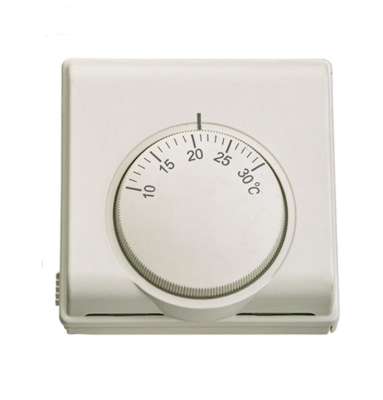
Procuring mechanical thermostats for direct cooling systems requires careful alignment with specific operational environments, as observed listings indicate a strong presence of units designed for hotel and residential applications. Buyers must distinguish between components intended for general temperature control and those specifically engineered for compressor management in refrigeration units. The available data highlights products originating from Ningbo and Zhuji, suggesting a concentration of manufacturing capabilities in these regions that specialize in export-standard packaging and diverse voltage configurations.
When evaluating potential suppliers, it is critical to verify that the mechanical thermostat matches the intended cooling architecture, particularly regarding voltage compatibility and material durability. Listings show variations in voltage ratings, ranging from 220V to a broader 110~220V spectrum, which necessitates precise matching with the local power grid to prevent operational failure. Furthermore, the presence of anti-flammable PC and ABS materials in the product attributes signals a focus on safety and longevity, which should be a primary criterion when selecting a vendor for high-reliability cooling infrastructure.
Product Scope and Observed Listing Signals
The market for mechanical thermostats in direct cooling systems presents a wide range of product models, from specific identifiers like SP-1000B and WKQ-J01 to generic descriptions focusing on temperature control functions. Buyers should note that while some listings explicitly mention "Temperature Controller" as the product type, others describe the item as a compressor control unit, indicating a functional overlap that requires clear definition in procurement specifications. This diversity in naming conventions suggests that the core keyword encompasses both standalone controllers and integrated components within larger refrigeration assemblies.
Observations of packaging and physical dimensions reveal significant variation, with standard export packing ranging from simple cartons to complex box and bag combinations. The listed dimensions, such as 9x13x5 cm or 13x14x9 cm, imply that space constraints within the cooling unit are a key design factor for these mechanical devices. Additionally, the availability of both customized and non-customized options allows buyers to tailor the thermostat to specific enclosure requirements, though the presence of "Non-Customized" items suggests a robust baseline inventory for standard applications.
Technical Specifications to Verify
Technical verification must prioritize the electrical characteristics, specifically the voltage rating and load capacity, to ensure compatibility with the target cooling system. The observed data includes products rated for 220V and others supporting a 110~220V range, which dictates the need for rigorous testing before installation to avoid electrical mismatch. Buyers should also scrutinize the action principle, as listings mention induction types and voltage relays, which influence the responsiveness and accuracy of the temperature regulation in direct cooling cycles.
Material composition and protective features are equally critical for long-term reliability in harsh cooling environments. The presence of anti-flammable PC and ABS materials indicates a commitment to fire safety, while sealed relay characteristics suggest protection against dust and moisture ingress. Procurement teams must confirm that the specified size, such as subminiature dimensions, fits the physical constraints of the equipment and that the load capacity, described as high power relay, aligns with the compressor's electrical demands to prevent premature wear or failure.
Compliance and Safety Documentation
Ensuring regulatory compliance is a non-negotiable step when sourcing mechanical thermostats, as the industry relies heavily on international safety standards to guarantee product integrity. The observed listings frequently cite CE and RoHS certifications, which are essential for market access in Europe and other regions with strict environmental and safety regulations. Buyers must request valid certification documents for each batch to verify that the products meet these specific standards, as the absence of such documentation can lead to customs delays or legal liabilities in the destination market.
Beyond basic certifications, additional safety marks like CCC and ISO standards may be present, indicating a higher level of quality assurance and adherence to Chinese national standards. The data shows some products carrying a combination of CE, CCC, and RoHS, while others list ISO and TUV marks, suggesting that suppliers vary in their compliance depth. Procurement officers should verify that the specific certification listed on the product matches the regulatory requirements of the end-user's location, ensuring that the mechanical thermostat is legally compliant for its intended application in hotels or home refrigerators.
Cost Drivers and Commercial Terms
Pricing for mechanical thermostats in direct cooling systems is influenced by a complex mix of factors, including voltage versatility, material quality, and the level of customization required. The observed price range spans from $1 to over $77,000, reflecting the vast difference between simple single-item units and complex, high-power industrial assemblies. Buyers must analyze the unit price in the context of the total order volume, as the minimum order quantity (MOQ) varies from 1 to 1000 units, significantly impacting the per-unit cost and overall budget allocation.
Commercial terms such as packaging standards and shipping origins also play a pivotal role in the final cost structure. Listings indicate that products originate from Ningbo and Zhuji, Zhejiang, with packaging ranging from standard export cartons to specialized bags and boxes. These logistical details affect freight costs and handling requirements, necessitating a clear agreement on Incoterms and delivery timelines. Buyers should negotiate based on the specific packing requirements to minimize damage risks and ensure that the cost reflects the value of the high-quality, anti-flammable materials used in the construction.
Supplier Qualification and Quality Control
Supplier qualification should focus on verifying the consistency of product attributes and the reliability of the manufacturing process, particularly regarding the origin and quality claims. The data points to manufacturers in Ningbo and Zhuji, China, who produce items with high-quality ratings and specific application focuses like home refrigerators and freezers. Buyers must assess the supplier's ability to maintain these quality standards across different batches, ensuring that the "High" quality designation is backed by consistent production practices and rigorous internal testing protocols.
Quality control measures must extend to the verification of product models and their specific functional attributes, such as the use of compressors and temperature control mechanisms. The presence of multiple model numbers like MRT-04/MRT-04D and RESOUR suggests a diverse product line that requires careful selection to match the exact cooling system requirements. Procurement teams should implement a sampling strategy to test the mechanical operation, voltage stability, and material durability of the thermostats before committing to large-scale orders, ensuring that the supplier can deliver products that meet the stringent demands of direct cooling applications.
Long-Term Procurement Checks
Establishing a long-term procurement strategy requires regular audits of supplier performance and product consistency to maintain operational reliability in direct cooling systems. Buyers should monitor the stability of key attributes such as voltage ratings, material composition, and certification status over time, as these factors directly impact the lifespan and safety of the cooling infrastructure. Regular reviews of the supplier's ability to meet the specified MOQs and delivery schedules will help identify potential bottlenecks and ensure a steady supply of high-quality mechanical thermostats.
Continuous improvement in the procurement process involves staying informed about changes in industry standards and technological advancements in temperature control. As the market evolves, suppliers may introduce new models or update their compliance certifications, requiring buyers to adapt their specifications accordingly. By maintaining open communication with suppliers and conducting periodic quality assessments, organizations can ensure that their mechanical thermostat inventory remains aligned with the latest safety standards and performance expectations, securing a competitive advantage in the direct cooling sector.
FAQs
What certifications do mechanical thermostats for direct cooling systems have?
Many units carry CE, RoHS, and CCC certifications to ensure safety and compliance. Some products also meet ISOTUV standards for quality assurance. These certifications verify that the components function reliably in hotel and home refrigerator applications without posing electrical hazards.
Can I find customized mechanical thermostats for direct cooling applications?
Yes, customized options are available for specific cooling system requirements. Some listings offer non-customized standard models as well. Buyers can select from various designs including contemporary styles to match their specific installation needs in hotels or residential freezers.
Which voltage ratings are supported by these thermostat components?
The components support voltage ranges from 110 to 220 volts for broad compatibility. This flexibility allows use in diverse electrical environments without requiring additional transformers. Ensure the selected unit matches your specific power supply to maintain optimal performance and safety.
How are these thermostat parts packaged for international shipping?
Products are typically packed in export standard boxes, cartons, or bags for protection. Some items use standard export packing to ensure safe transit. This packaging method helps prevent damage during long-distance shipping from origins like Ningbo or Zhuji to global destinations.
What material is used for the housing of these thermostats?
The housing is constructed from anti-flammable PC and ABS materials for durability. This combination provides resistance to heat and impact while maintaining electrical safety. It is suitable for use in home refrigerators and freezers where fire safety is a critical requirement.
Where are these mechanical thermostat manufacturers located?
Manufacturers are primarily located in Ningbo and Zhuji, Zhejiang, China. These regions are known for producing high-quality electrical components and appliances. Buyers can source directly from these established industrial hubs to ensure reliable supply chains and competitive pricing.
What is the typical lead time for ordering these components?
Lead times vary based on customization and order volume requirements. Standard items may ship quickly while custom orders take longer. Buyers should confirm specific timelines with suppliers to ensure timely delivery for their direct cooling system projects.